Housing Our Newborns, Empowering You (HONEY)

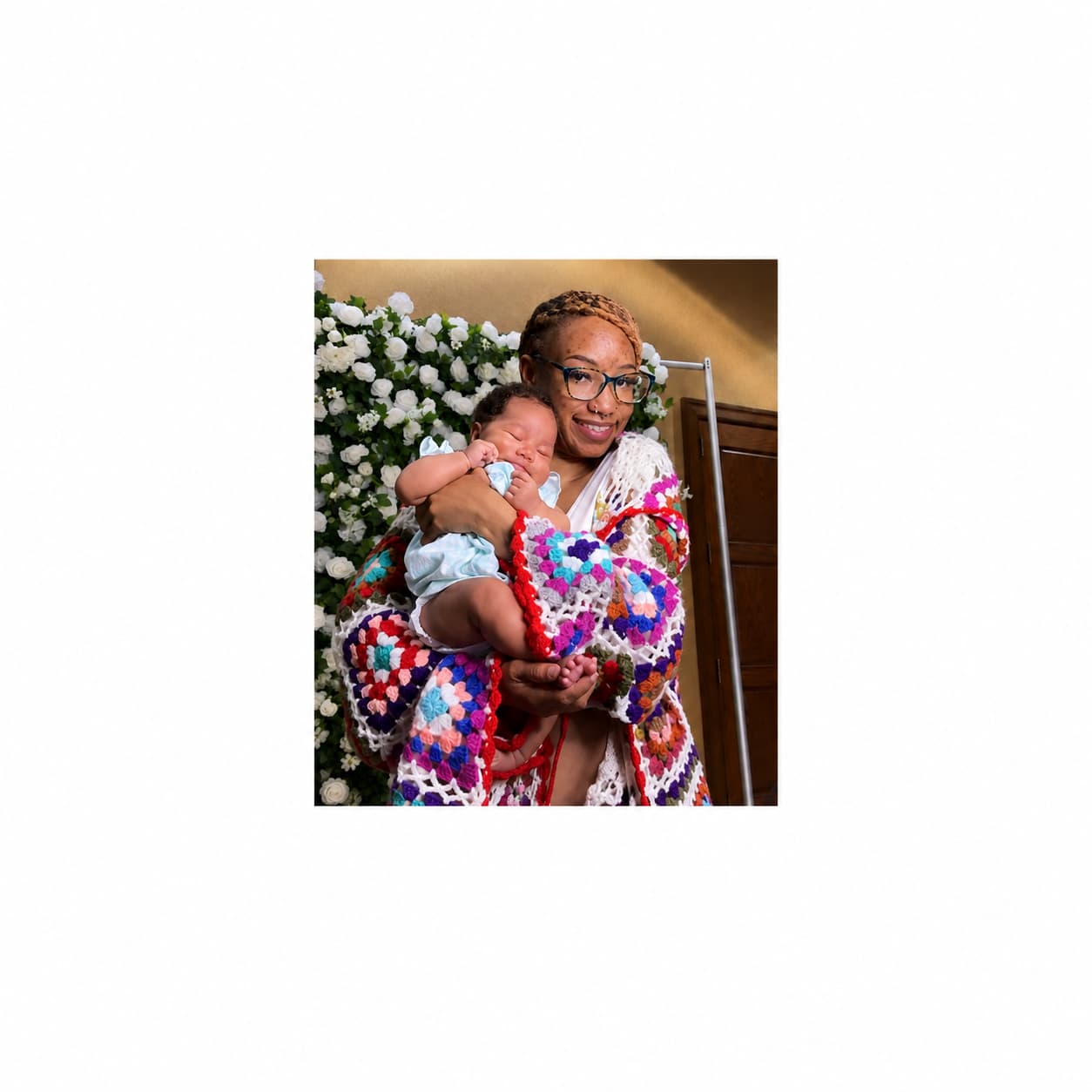
Are you pregnant and experiencing homelessness in Washington, DC? The HONEY program helps connect you to prenatal care, resources, and support during pregnancy and the first months after your baby is born. 

Our new, innovative program, Housing Our Newborns, Empowering You (HONEY) supports pregnant people experiencing homelessness with connection to prenatal care, pregnancy resources, and care coordination.

Pregnancy during homelessness can make it harder to stay connected to care. The HONEY program helps bridge that gap. 

How HONEY Supports Families 

If you join HONEY, our team supports you throughout your pregnancy and until your baby is six months old. 

Support may include: 

  • Help connecting with prenatal doctors and health care providers 
  • Help accessing transportation, baby supplies, health education, and safe sleep resources 
  • Help scheduling appointments and staying connected to care 
  • Regular check-ins with a HONEY team member during pregnancy and after your baby is born 
  • Home or community visits to meet you where you are  

HONEY Perinatal Care Coordinators (PCCs) work closely with you, your housing provider, and your health care team to make sure you stay connected to care and get the support you need. 

Who Is Eligible for HONEY Services? 

You may be eligible for HONEY if you: 

  • Are pregnant or have a baby younger than six months old 
  • Are connected to a housing provider through the DC Department of Human Services (DHS) or another housing program in DC 
  • Ask your case manager, health care or housing provider to refer you for the program. 
Are you a provider?

Refer a Patient or Client
Health care providers, housing providers, and community organizations can refer eligible patients or clients to the HONEY program. 

Are You a Provider Supporting Pregnant Families? 

The HONEY team partners with health centers, housing providers, and community organizations to better support pregnant families experiencing homelessness. 

The HONEY team offers: 

  • Training for health and housing providers 
  • Guidance on supporting pregnant patients experiencing homelessness 
  • Collaboration and shared resources for expectant families

We would love to connect. If you are interested in trainings, partnerships, or learning more about the program, email honey@cohdc.org. 

"

What began as a desire to give back grew into a years-long partnership with Community of Hope. Over time, Melissa served in many roles—from Night of Hope Chair to committee leader, board member, board vice-chair and  board chair. Each experience gave her a different perspective on the organization and a deeper appreciation for the staff, volunteers, donors, and fellow board members who make its work possible.

"

Monique arrived in Ward 8 during a transitional season of her life — newly relocated to an affordable home, and soon after, unemployed. Community of Hope's workforce development program at the Conway Health and Resource Center first brought her through our doors. What she found there became something much bigger than a job program: a community

"

When Symmone first came to the Bellevue Family Success Center, she was excited but a little nervous about meeting new people. During the COVID-19 pandemic, while her college classes had moved online, her mother encouraged her to explore a summer volunteer opportunity.

"

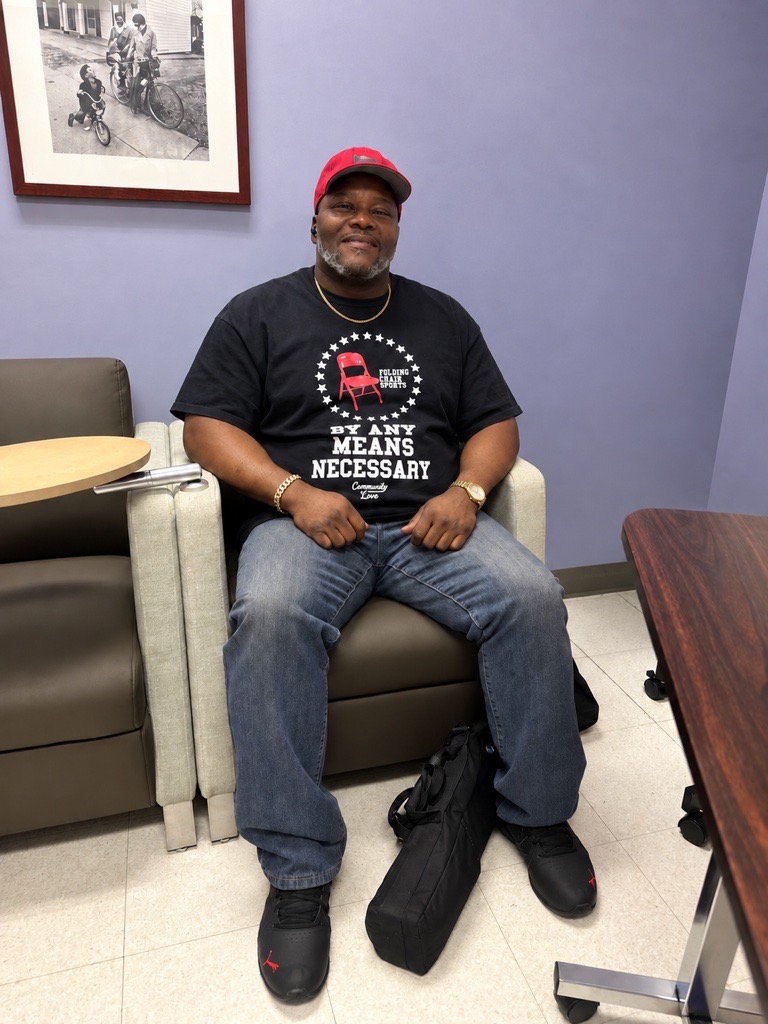
For more than a decade, Darian has trusted Community of Hope with his health care. He learned to manage serious health conditions, made changes along the way, and counted on his care team.

"

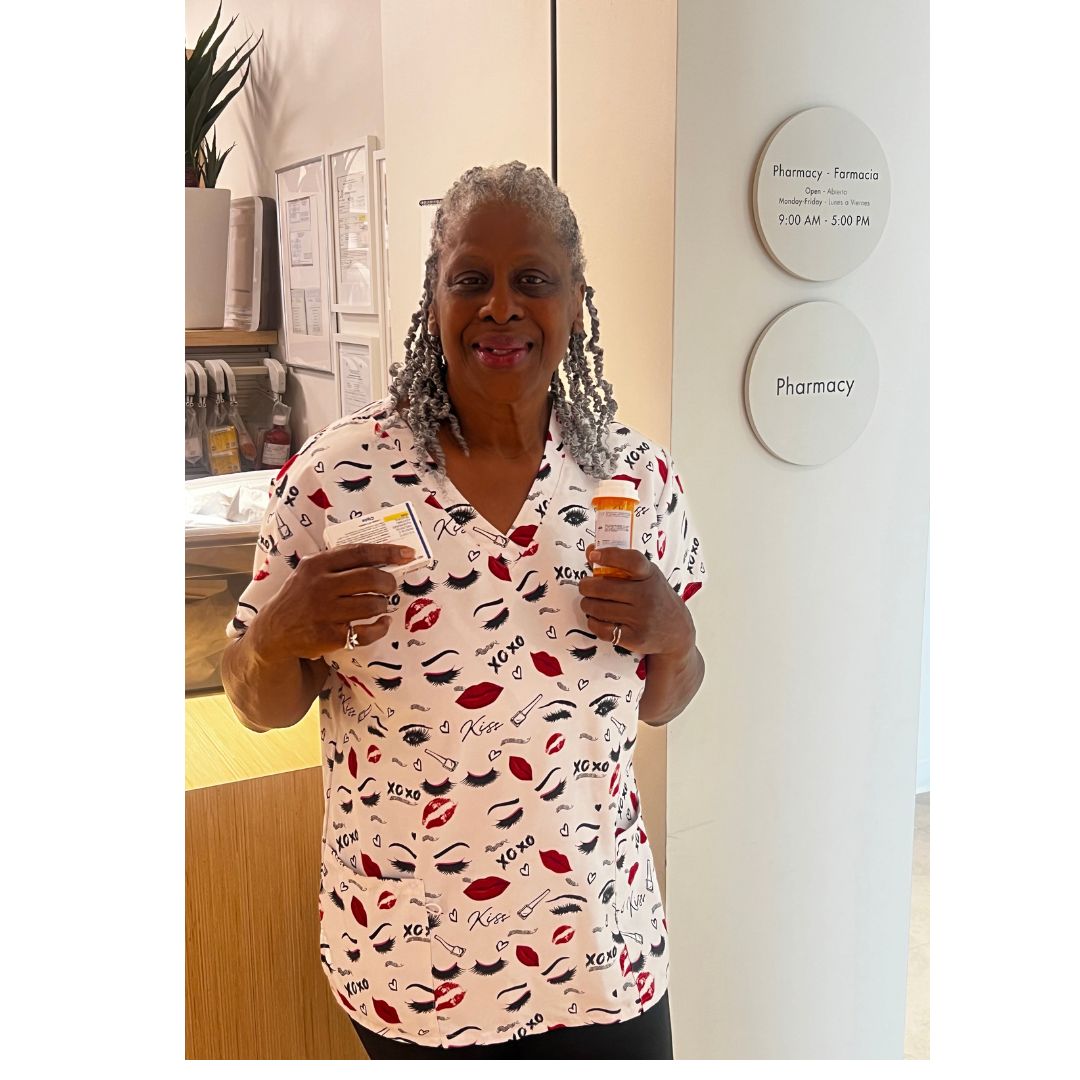
When the Community of Hope pharmacy calls to say her prescriptions are ready, Debbierena Hopkins knows she'll be stopping by. Not because she has to – patients can choose delivery or mailing option. She stops by because she wants to.

"

“Something’s not right with you.” Yolanda’s uncle kept telling her something was off with her. What neither of them knew was that she was living with undiagnosed Type 2 diabetes, and her body had been sending signals for years.

"

When Paula came to Community of Hope nearly 20 years ago, she was trying to keep her family together. After the death of her mother, Paula and her six children no longer had a place to live. “That left me and my kids homeless.” At the time, she and her family had to stay in a shelter.

"

For Donnatela, Community of Hope has always been part of her story. She first came to Community of Hope when she was 17 years old. Her mother, who is also a patient, first brought her through our doors. Over the years, she returned for dental care, primary care, wisdom teeth removal, and more.

"

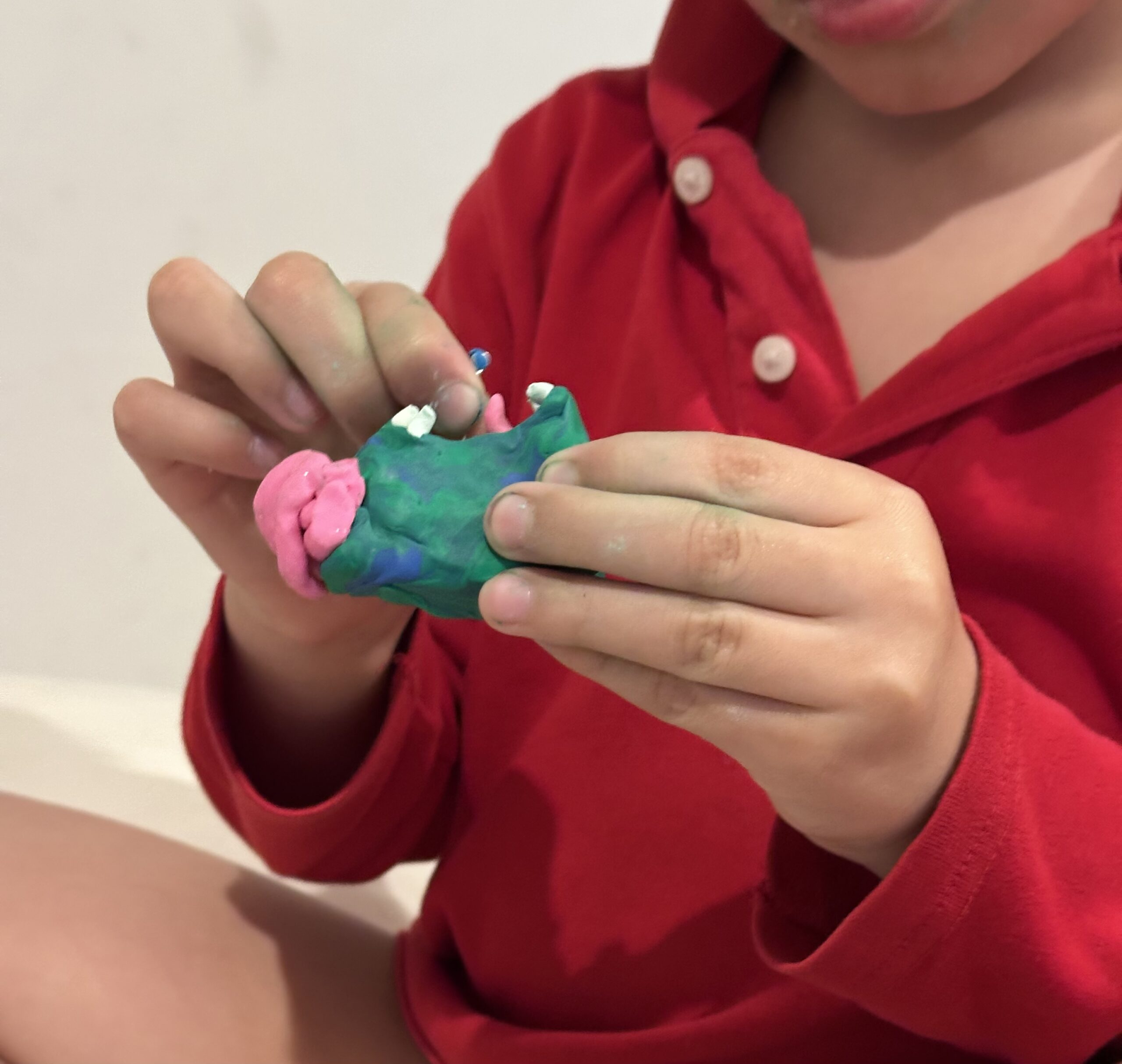
Long before he could easily communicate his feelings with words, Killian—who has autism—found another way to communicate: he sculpted little faces out of clay. "The first thing he started doing was sculpting little faces," Ferris said. "That was his first way of trying to communicate. He would make little faces to let you know how he was feeling."