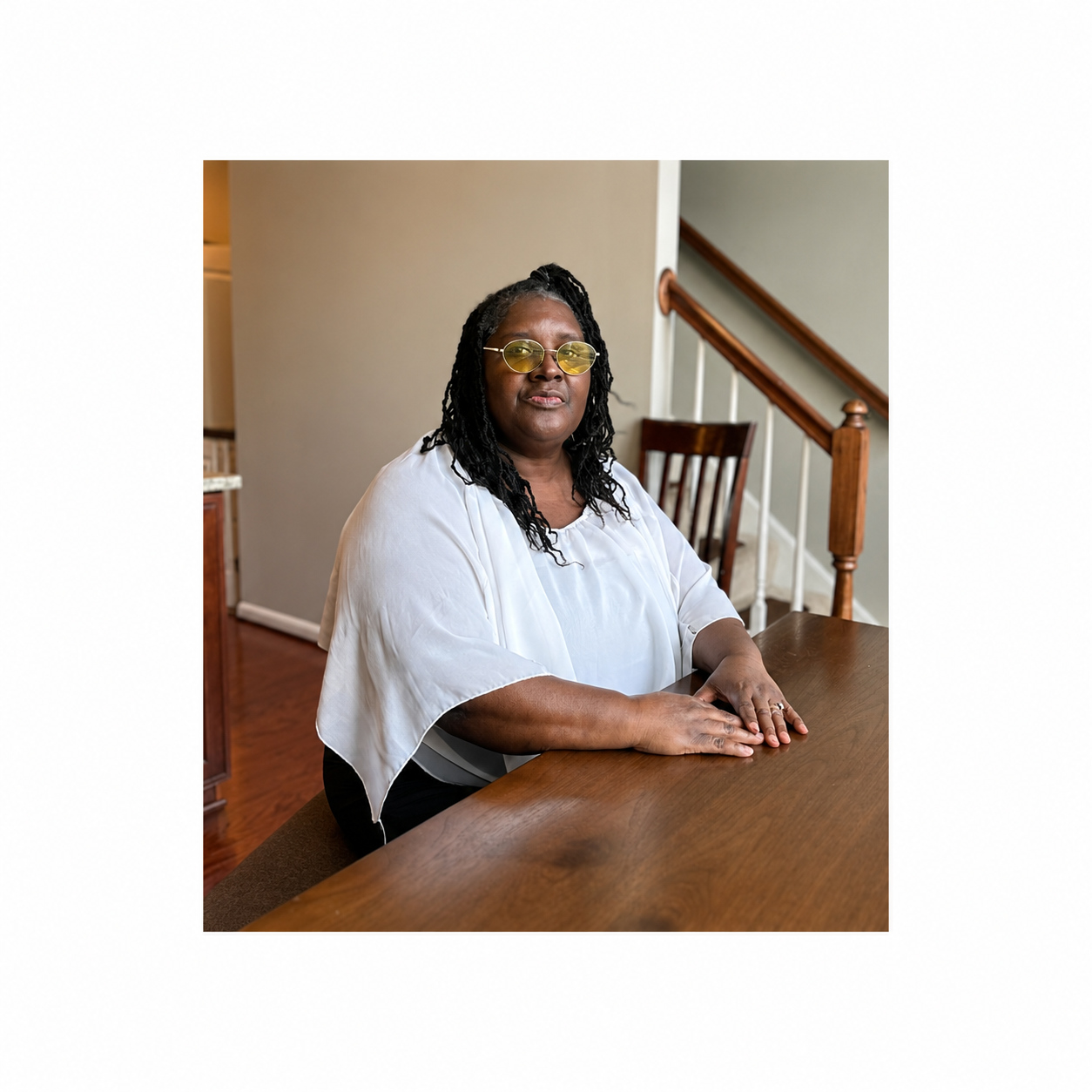
When Paula came to Community of Hope nearly 20 years ago, she was trying to keep her family together. After the death of her mother, Paula and her six children no longer had a place to live. “That left me and my kids homeless.” At the time, she and her family had to stay in a shelter. Paula worried about the impact the instability was having on her children and knew she needed support. “I just wanted to hold tight on my kids,” she said.
Through Community of Hope’s Permanent Supportive Housing program, Paula found both housing and the support she needed to move forward. But housing was only part of her journey. “I couldn’t save my kids if I couldn’t save myself,” Paula said.
As part of the program, Paula participated in treatment, counseling, and life-skills classes. That is the heart of what Permanent Supportive Housing makes possible: not just a roof, but connection to wraparound services that meet families at every point along their journey, from crisis to stability. During that process, she began confronting childhood trauma she had carried with her for years.
“I learned with going through treatment that it wasn’t my fault.” Community of Hope also connected Paula with emotional wellness and other resources that helped her build stability for herself and her family.
“They made sure I got therapy. They made sure I had treatment. They allowed me to get housing,” she said. “I learned a lot through them. I learned manageability, keeping things in order, being on time. It was a lot that I learned that I wasn’t taught.”
Eventually, Paula and her children moved into a place of their own. “That was my first apartment that I ever had,” she said. “I used to walk around my house and just thank Jehovah. ‘Thank you, God. Thank you.’” And years later, Paula still remembers what that moment felt like.
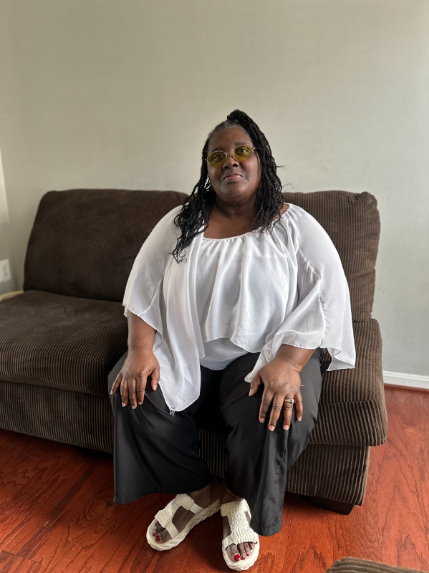
Today, she lives in a three-story townhouse in Northeast Washington, D.C. Her children are grown, and her youngest son serves as a Metropolitan Police officer.
For Paula, home means more than having a place to live. “ Home means everything to me,” she said. “I got peace of mind. I got some stability.” She still begins many mornings the same way – walking throughout the home, praying her thanks.
Looking back, Paula hopes her story shows others that asking for help can be the first step toward change. “If my story helps at least one person, I thank Jehovah,” she said. “If you’re lost and don’t know how to find your way, open up and tell someone. Help is there.”