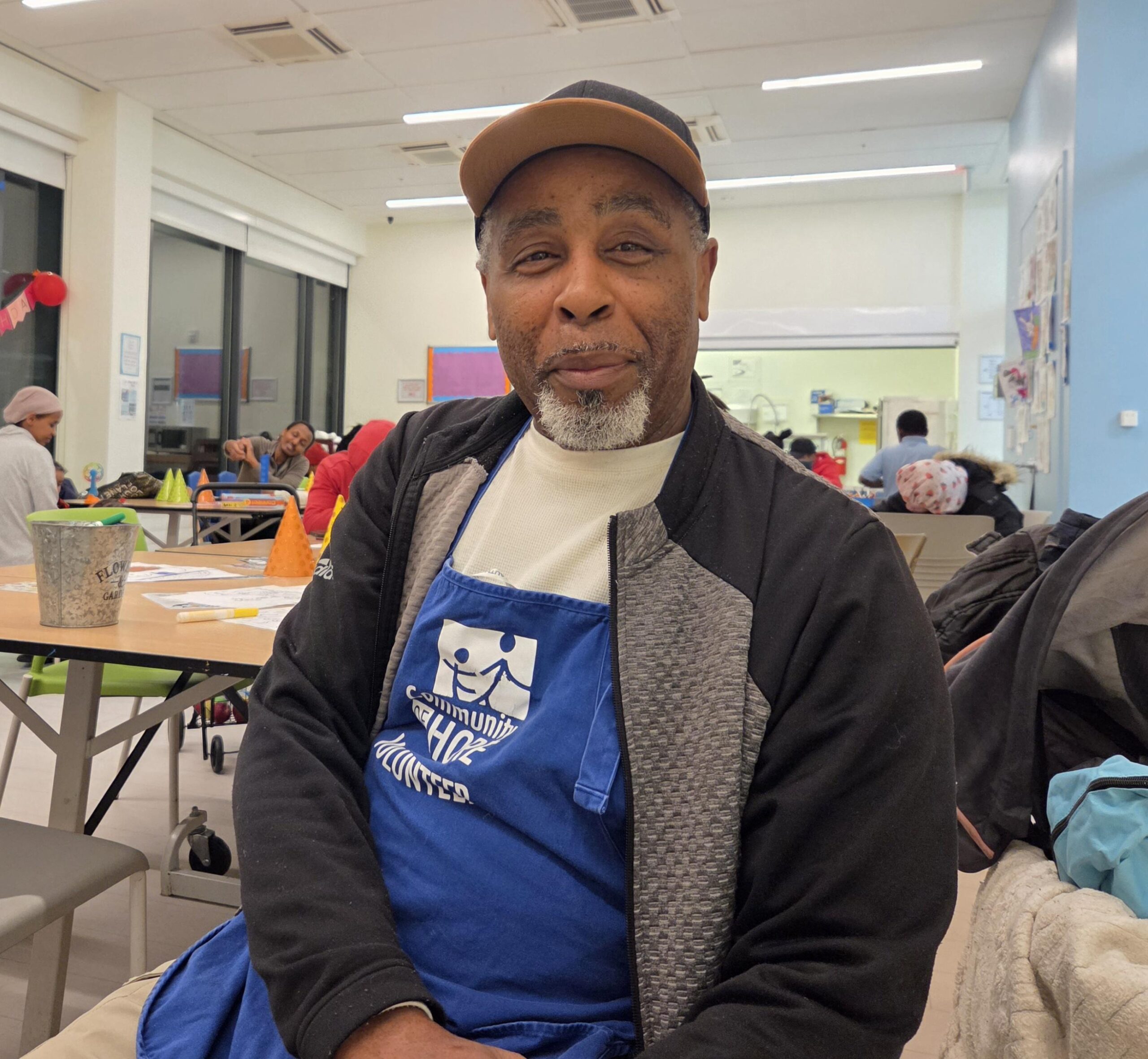
At 65 years old, Tony makes healthy choices with confidence.
He talks about food labels like a researcher. He monitors his glucose like a scientist. He jokes about giving up pepper steak like it’s a strategic decision —not a sacrifice.
But there was a time when none of that felt clear to Tony.
“I didn’t know what to eat,” he says. “I started panicking every time my A1c levels were high.”
When a provider at a local hospital told Tony that he was borderline diabetic, they gave him simple but limited advice: “Watch what you eat.” But no one explained what that actually meant. As the months passed, Tony began experiencing headaches, blurred vision, weight loss, and rising blood sugar.
He brought this to his providers at Community of Hope and together, they began monitoring his condition. He admits that conversations about insulin made him uncomfortable, “I thought once you start insulin, you can’t come back,” he recalls, or at least that’s what he thought.
The fear wasn’t just about medication. It was about not understanding what was happening inside his own body.
Due to his condition, Tony was invited to join Community of Hope’s diabetes education group, led by nutritionist Kathy McNeely. He decided to give it a try.
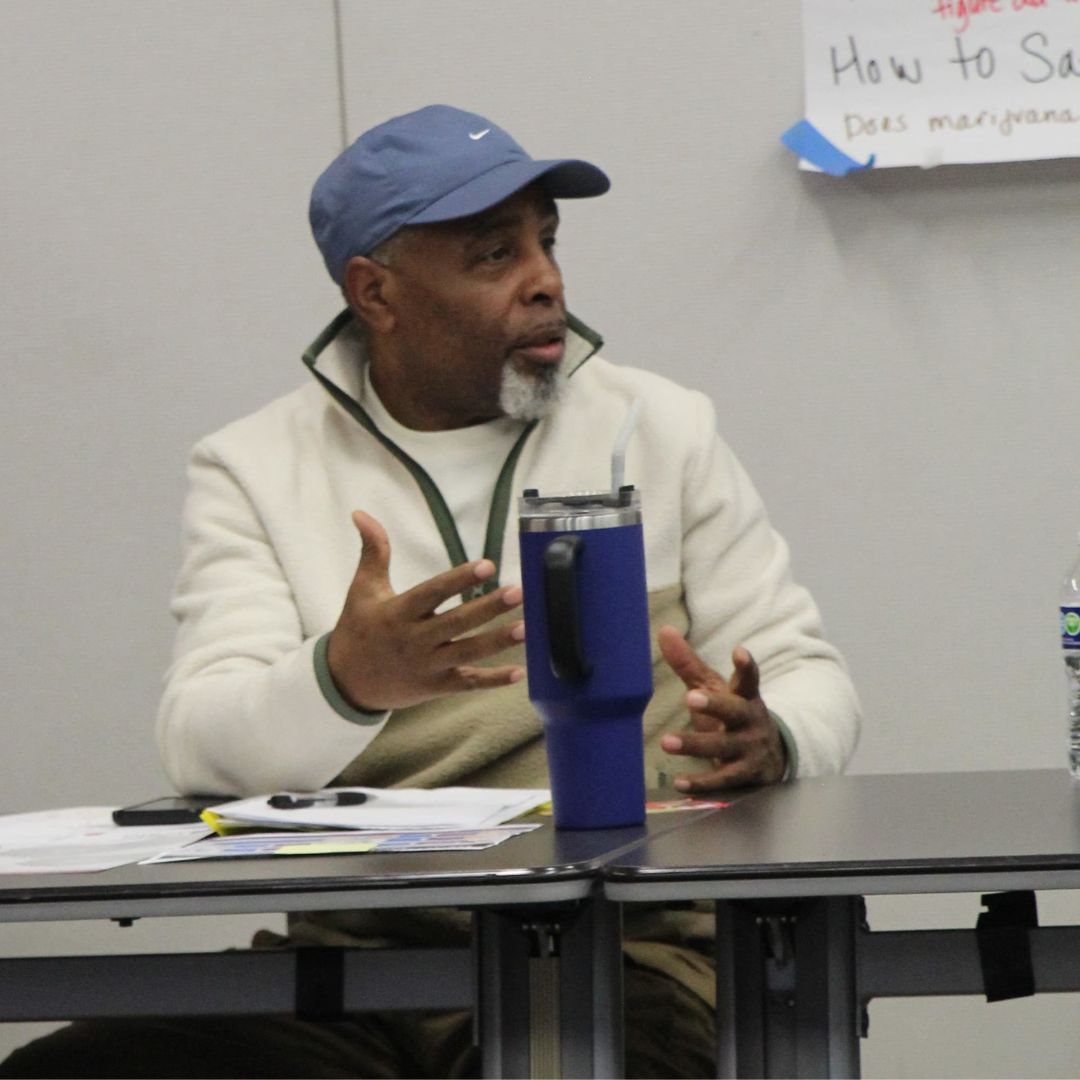
That decision shifted how Tony saw and managed his health. From the first session, Tony felt the difference. The room was filled with people who were just as curious and just as unsure at times. Together, they learned, built confidence, and practiced skills to help manage their individual conditions.
Tony said, “Even if you didn’t know how to ask the question, they helped you get to the answer.”
Tony joked about the importance of learning how to read nutrition labels. “Before, the only label I was worried about was the price.” He learned how portion sizes affect blood sugar, and how staying active helps the body process glucose.
“I compare it to an engine,” he explains. “If you don’t take care of the engine, it won’t work. We can’t replace the pancreas, but we can support it by staying active.” That shift in mindset gave him control.
Tony doesn’t sugarcoat it — there were challenging adjustments including learning to use a glucose monitor and letting go of certain foods. But he committed and the results showed it.
Today his blood sugar levels are stable. His symptoms have eased. He is no longer dependent on insulin.
Community of Hope’s diabetes education group didn’t “save” Tony. It equipped him.
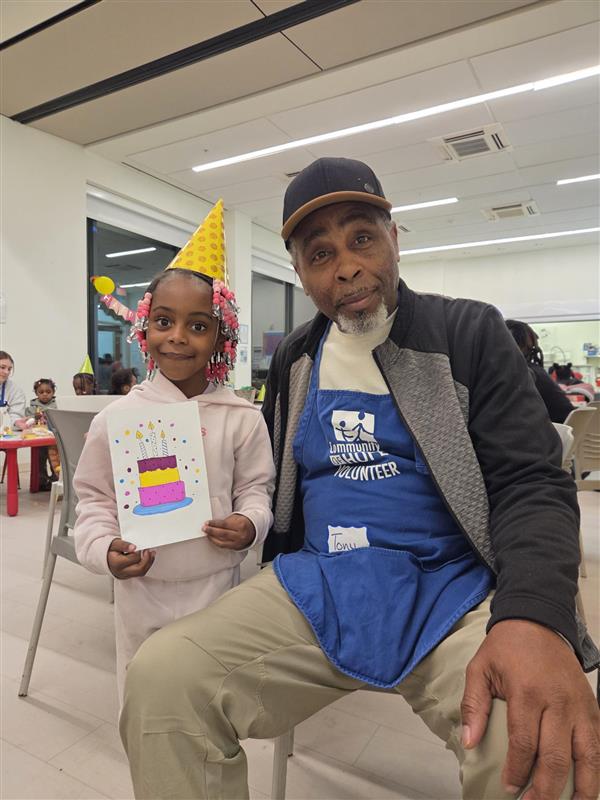
Today, he’s not defined by a diagnosis, but his response to it. He’s finding joy in new things and giving back, including giving his time at Fam-Club.
Fam-Club is how you can support families overcoming homelessness and give back to your local community by showing up and helping lead fun activities, games, and crafts with the residents at our Washington, DC short-term housing sites!
Learn more about volunteering with Fam-Club here